





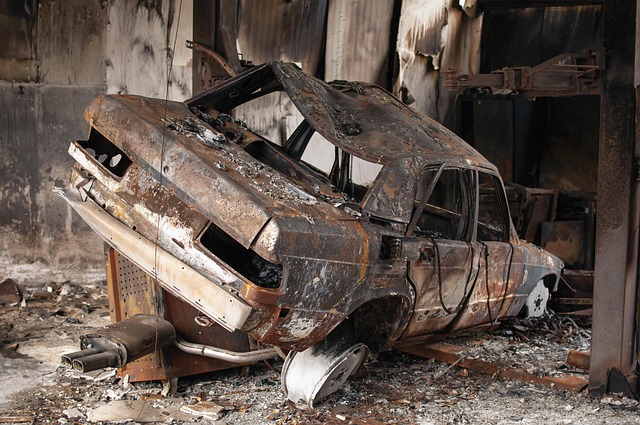
What to Do After a Car Accident in Albany: Systematically assess the scene, document location, conditions, vehicle damage (with high-quality photos from various angles), and potential hidden injuries. This thorough documentation aids insurance claims, legal action, and reconstructing events, emphasizing expertise for robust evidence collection.
Capturing photos of a car accident scene is a vital step after any collision, especially in Albany where knowing What to Do After a Car Accident is crucial for ensuring legal protection and accurate documentation. This comprehensive guide aims to equip you with practical knowledge on navigating the immediate aftermath of an accident. By detailing the process of taking detailed, evidentiary photographs, we empower drivers to take control and protect their rights. Effective photo documentation can serve as irrefutable evidence, aiding in insurance claims and potential legal proceedings. Let’s explore the steps to ensure a thorough record of the incident.
- Assess the Scene: What to Look For After a Crash
- Document Evidence: Taking Essential Photos
- Legal Considerations: Using Photos in Albany Accidents
Assess the Scene: What to Look For After a Crash
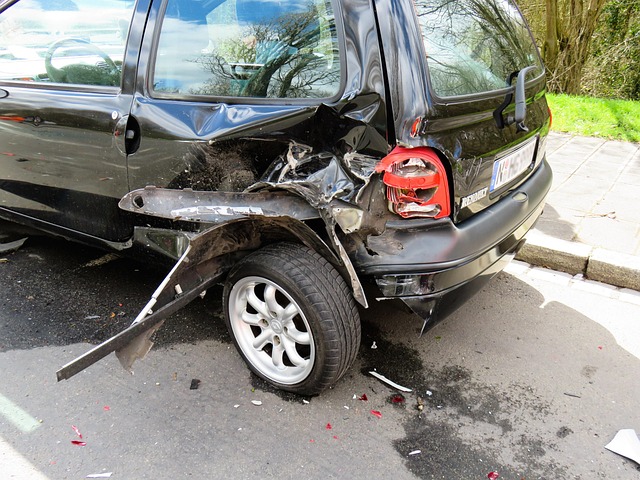
After a car accident in Albany, assessing the scene is crucial before taking any actions, including capturing photographs of the incident. What to do after a car accident in Albany involves a systematic approach, starting with ensuring everyone’s safety and contacting emergency services immediately if necessary. Once at the scene, look for both visible damage and potential hidden injuries that might not be apparent initially. These can include whiplash or internal bleeding, so it is essential to remain calm and assess all factors carefully.
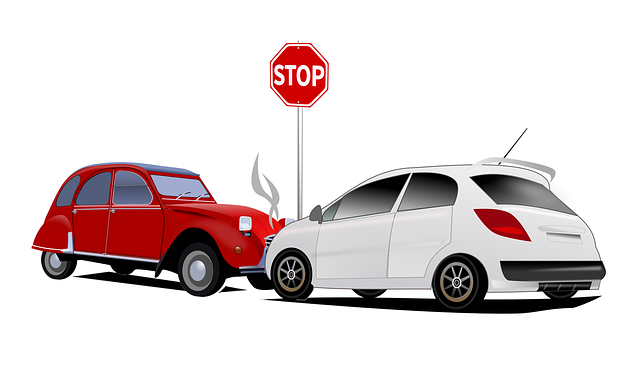
When evaluating the scene, pay attention to several key elements. First, document the location and conditions surrounding the crash. Note traffic signals, road signs, and any environmental factors that might have contributed. Check if vehicles are operable or if they need to be towed. Assess the angle of impact and the damage to each vehicle involved—crumple zones, shattered glass, or dents can provide valuable insights into the force and direction of collision. Additionally, take note of weather conditions; wet roads, for instance, could indicate potential liability issues.
Furthermore, when capturing photos of the scene, ensure they are clear and comprehensive. Document the entire crash site from various angles to provide a holistic view. Include close-ups of visible damage, such as dents, scratches, or broken lights. Take pictures of any skid marks on the road, which can help reconstruct the events leading up to the accident. It’s also wise to photograph yourself and other occupants, especially if you’re experiencing pain or discomfort post-crash. Albany residents should be aware of their insurance coverage limits; taking photos serves as tangible evidence that can aid in settling claims efficiently and accurately.
Document Evidence: Taking Essential Photos

After a car accident, one of the most crucial steps you can take is to document the scene thoroughly—especially by capturing high-quality photos. These visual records serve as vital evidence that can aid in the claims process and even potentially influence the outcome of your insurance claim or legal action. In Albany or any location, understanding what to do after a car accident involves recognizing the importance of documenting the incident.
When you’re in the immediate aftermath of a minor crash, taking photos of the scene can be a practical and efficient way to collect important information. Aim for clear, detailed images of various aspects: the damage to both vehicles involved, traffic signs or signals that might have contributed to the accident, road conditions, and any visible injuries sustained by parties involved. A comprehensive photo collection provides a nuanced view of what transpired, which can be invaluable when reconstructing events and determining liability—especially if you decide to get a second opinion on repair estimates.
Additionally, capturing photos at the scene is an essential step in the process of what to do after a minor car crash. These images serve as a visual diary that can help refresh your memory should there be discrepancies or disagreements regarding the incident later on. For example, if you’re involved in a fender bender where liability isn’t immediately clear, having detailed photos could make it easier for insurance adjusters or legal professionals to assess the situation accurately. Remember, these images are not just for insurance claims; they can also assist in filing police reports and potentially establishing negligence in court, should the need arise.
Legal Considerations: Using Photos in Albany Accidents

After a car accident in Albany, capturing evidence through photography is crucial for What to Do After a Car Accident in Albany and potential legal proceedings. Documenting the scene provides tangible records that can support insurance claims and even lead to civil or criminal charges if necessary. Among the many aspects to consider, the strategic use of photographs holds significant weight in courts of law.
Focus on capturing a wide range of details—the entire accident site from multiple angles, damage to vehicles involved, visible injuries sustained by parties, road conditions, weather factors, and any potential hazards that contributed to the collision. Additionally, finding witnesses after the collision is paramount; their accounts, corroborated by photographic evidence, can paint a clearer picture of events. It’s essential to call the police at least once to ensure an official report is filed—this documentation serves as a foundation for any legal actions later.
When presenting photographs in court, accuracy and context are key. Ensure each image has a clear purpose; avoid redundancy. For instance, if tire marks on the road are evident, capture them from different angles to showcase their entirety. Use markings or measuring tools in photos to demonstrate dimensions of damage or skid marks accurately. An expert’s analysis suggests that well-documented photographs can significantly enhance the strength of an insurance claim or legal case, underscoring the importance of meticulous documentation after a car accident in Albany.
After a car accident in Albany, assessing the scene and documenting evidence, specifically taking essential photos, are crucial steps. By thoroughly examining the damage, gathering visual evidence through high-resolution images, and understanding legal considerations regarding photo usage, you can effectively navigate the aftermath of an accident. This comprehensive guide equips you with vital knowledge on what to do after a crash, ensuring your actions contribute to a smoother resolution process and potentially protect your interests in court. Embrace these practices as essential tools in your post-accident toolkit, empowering you to make informed decisions in challenging situations.