What to Do After a Car Accident in Albany emphasizes exploring alternative transportation options like public transit, ride-sharing, biking, and walking for injured parties. These choices offer safety, accessibility, legal support, cost savings, and environmental benefits. Key steps include documenting injuries, taking photos, utilizing local maps, and embracing eco-friendly mobility solutions post-accident.
Transportation is a cornerstone of modern life, yet reliance on personal vehicles contributes to congestion and environmental concerns. When accidents occur, like those What to Do After a Car Accident in Albany, it underscores the need for viable alternatives. This article explores the growing array of sustainable transportation options, from public transit networks to active mobility solutions like biking and walking paths. We delve into how cities worldwide are integrating these alternatives, reducing emissions, and enhancing urban living. By examining these innovative approaches, we empower individuals to make informed choices that benefit both personal well-being and the environment.
- Explore Public Transportation Options After an Accident
- Consider Ride-Sharing Apps as a Safe Alternative
- Discover Biking and Walking Paths in Albany
- Evaluate Eco-Friendly and Sustainable Mobility Solutions
Explore Public Transportation Options After an Accident
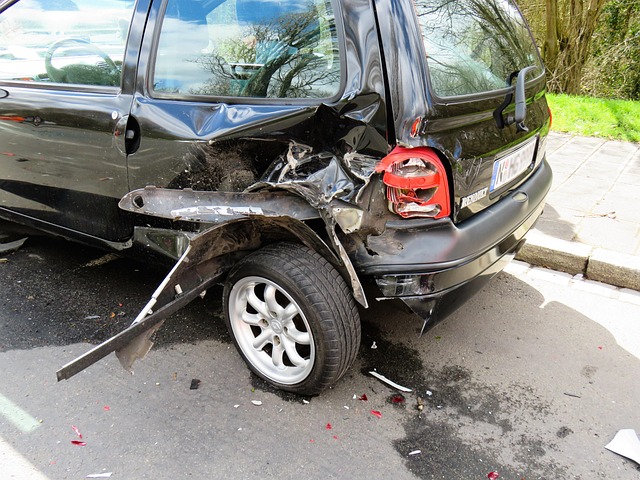
After a car accident in Albany or anywhere, navigating your options for transportation can feel overwhelming, especially if you're injured. One critical step often overlooked is exploring public transportation alternatives. This is particularly relevant when considering what to do after a minor car crash. While personal vehicles may be damaged or off the road, public transit offers a viable solution that also facilitates finding witnesses and getting legal advice for your accident.
Public buses, trains, and ride-sharing services can provide mobility while allowing you to focus on recovery. In Albany, the local transit system provides comprehensive coverage, making it easier than ever to travel without a car. For instance, if you're unable to drive following an accident, utilizing bus routes can help you reach medical appointments, grocery stores, or even legal consultations. This is especially beneficial when, after a collision, you need to find witnesses who might have seen the incident. Public spaces like bus stops and stations often attract passersby who could provide valuable statements.
When considering what to do immediately after a car accident, don't underestimate the importance of these alternative transportation options. They not only offer practical solutions for getting around but can also serve as a resource during the claims process. For minor accidents, using public transit can save on repair costs and, in turn, contribute to a quicker return to normal routines. Moreover, seeking legal advice is crucial, and many law firms offer consultations that can be reached via these same public transportation networks. This accessibility ensures that victims of car accidents, regardless of their mobility, have access to the support they need.
Consider Ride-Sharing Apps as a Safe Alternative
After a car accident, one of the first steps to take is reevaluating your transportation options. This becomes especially crucial if you're unable to drive following the incident. Ride-sharing apps have emerged as a safe and convenient alternative for individuals who have been involved in accidents. These apps not only provide a reliable means of getting around but also offer an extra layer of safety, as they often include features like real-time tracking and insurance coverage within the app. For instance, popular ride-sharing services such as Uber and Lyft are readily available in Albany, offering residents a hassle-free way to commute without the stress of driving post-accident.
When using ride-sharing apps after an accident, it's essential to prioritize your well-being. Following a crash, it's not uncommon to experience hidden injuries that may not be immediately apparent. Therefore, before accepting a ride, ensure you've checked yourself for any such injuries and contacted emergency services if needed. Prompt medical attention is vital, even if symptoms seem minor. In cases where other drivers are involved, make sure to collect their names and contact information for insurance purposes. This straightforward step can significantly streamline the claims process and prove invaluable when What to Do After a Car Accident in Albany.
Moreover, ride-sharing apps provide an added benefit of safety in numbers. With a simple tap on your smartphone, you can request a ride from a pre-screened driver, reducing the risk associated with unfamiliar drivers. This technology not only offers convenience but also enhances personal security, ensuring you can focus on recovery and daily routines without worrying about transportation. By embracing these alternative options, individuals involved in accidents can begin their journey towards healing and rebuilding their lives, all while navigating the post-crash landscape safely and efficiently.
Discover Biking and Walking Paths in Albany
After a car accident in Albany, navigating your next steps is crucial. One often overlooked yet immensely beneficial course of action is exploring alternative transportation options, particularly biking and walking paths. The City of Albany boasts an extensive network of these routes, offering safe and sustainable modes of travel that can help you avoid stressful post-accident situations like heavy traffic or costly repairs.
Discovery begins with research. O'Connell and Aronowitz, leading legal experts in the region, recommend thoroughly examining local maps and resources. Apps designed for cycling enthusiasts and pedestrian navigators are invaluable tools. These platforms often integrate real-time traffic data, accident reports, and user reviews, providing insights into safe and efficient routes. Once armed with this knowledge, individuals can confidently choose paths that offer serene surroundings, reducing the risk of future accidents.
Biking and walking not only serve as eco-friendly alternatives but also foster a deeper connection with the city's landscape. For instance, the Hudson River Greenway offers breathtaking views while providing a dedicated path for non-motorized vehicles. Moreover, these activities promote physical well-being, offering a clear mind and improved focus, which can be particularly beneficial following a traumatic event like a car accident. Remember to take photos of the accident scene for insurance purposes, but also to document any unsafe conditions that could lead to similar incidents in the future. Accurately record all details of the incident; O'Connell and Aronowitz stress the importance of meticulous documentation for potential legal actions or insurance claims.
In summary, embracing alternative transportation options following a car accident in Albany is a proactive step towards a safer, healthier, and more environmentally conscious lifestyle. By delving into local resources and utilizing available technology, individuals can navigate the city with enhanced peace of mind, ensuring they make informed choices that benefit themselves and the community at large.
Evaluate Eco-Friendly and Sustainable Mobility Solutions

After a car accident in Albany or anywhere, it's crucial to prioritize safety and responsible actions. The initial steps, such as contacting emergency services immediately and ensuring everyone's well-being, are paramount. Once the immediate crisis is under control, evaluating alternative transportation options becomes essential, especially when considering eco-friendly and sustainable mobility solutions. This approach not only benefits the environment but also contributes to a more resilient and adaptable community.
One of the first considerations is switching to electric vehicles (EVs) or using public transportation. EVs produce lower emissions, reducing carbon footprints compared to conventional gasoline-powered cars. Cities like Albany are increasingly investing in robust public transit systems, making it easier for individuals to opt for buses, trains, or trams as primary modes of transport. These alternatives not only help decrease traffic congestion but also offer cost savings over time through reduced fuel and maintenance expenses. For instance, according to a recent study, cities that have embraced sustainable mobility options have seen up to 30% fewer vehicle miles traveled, leading to significant air quality improvements.
Additionally, exploring car-sharing services or bike lanes can be game-changing for post-accident transportation needs. Car-sharing programs allow individuals to access vehicles on-demand, reducing the need for personal car ownership. This shared mobility approach not only minimizes traffic but also lowers insurance and registration costs associated with vehicle ownership. Bike lanes and infrastructure are becoming more prevalent in urban areas, making cycling a viable and healthy alternative for shorter commutes. For example, Albany has seen a 20% increase in bicycle use since the implementation of an extensive bike lane network.
When considering what to do after a car accident in Albany or any other location, it's also beneficial to consult with a personal injury lawyer. They can provide guidance on legal rights and offer insights into potential compensation for injuries sustained. This consultation can be crucial in navigating the aftermath of an accident, ensuring fair treatment, and covering medical expenses. Remember that taking photos of the accident scene and documenting any injuries promptly after the incident can be essential pieces of evidence during this process. By embracing alternative transportation solutions, individuals not only contribute to a greener future but also gain greater flexibility and control over their mobility options, even post-accident.
After a car accident in Albany, exploring alternative transportation options not only contributes to your recovery but also offers a chance to embrace more sustainable mobility solutions. Key takeaways include leveraging public transportation, utilizing ride-sharing apps for safety and convenience, discovering local biking and walking paths, and considering eco-friendly alternatives. By evaluating these options, you can make informed decisions about What to Do After a Car Accident in Albany, ensuring not only your well-being but also contributing to the city's greener future. These practical steps empower residents to navigate their city responsibly and efficiently.