







Becoming a local road safety advocate after a car accident in Albany involves immediate actions like contacting emergency services and reporting incidents to authorities for accurate reconstruction and liability determinations. Joining community groups and volunteering with organizations enables sharing experiences and influencing policy changes. Legal expertise from firms like O'Connell and Aronowitz is crucial for navigating post-crash processes and insurance claims.
Collaborative efforts between local authorities, including city governments, transportation boards, and law enforcement, enhance road safety through initiatives like speed cameras, improved signage, and dedicated pedestrian crossings. Data exchange allows sharing crash reports and identifying high-risk areas.
Key preventive actions include accident reporting, understanding rental car procedures, community engagement, and advocacy through groups or lobbying for stricter regulations to reduce future accidents and save lives.
Local road safety initiatives play a pivotal role in reducing accidents and saving lives. However, many communities struggle to implement effective programs due to limited resources and awareness. After a car accident in Albany, for instance, it’s not just the immediate response that matters; understanding what to do afterward can also contribute to better overall safety. This article delves into practical steps to support local road safety efforts, offering insights on prevention, education, and post-accident procedures that every responsible citizen should know. By joining forces, we can create a safer environment for everyone on the roads.
- Assess Your Role: Local Road Safety Advocate
- Understand Community Needs After a Crash in Albany
- Collaborate: Partnering with Local Authorities
- Implement Effective Strategies: Preventing Future Accidents
Assess Your Role: Local Road Safety Advocate
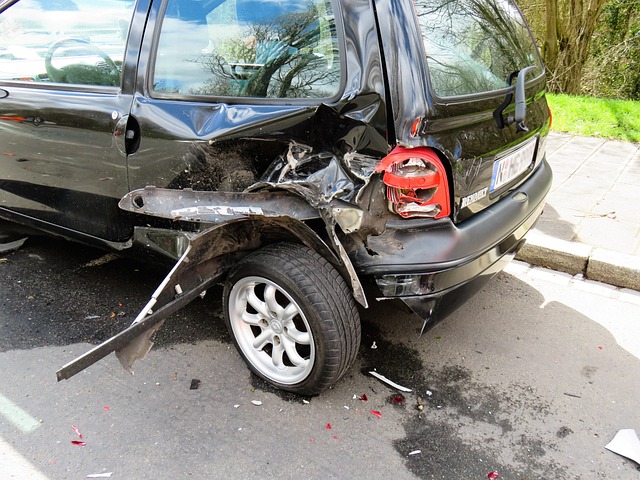
Becoming a local road safety advocate involves assessing your role post a car accident, such as those that may occur in Albany. After a collision, immediate actions like contacting emergency services and reporting the traffic accident are crucial. According to recent data from the New York State Department of Motor Vehicles, timely reporting can significantly aid in accident reconstruction and evidence preservation. Examples from cities like Albany show that quick response times contribute to more accurate investigations, which in turn help determine liability, especially when claims are filed through the insurance company.
As an advocate, understanding what to do after a car accident is key. Promptly contacting emergency services not only ensures immediate medical attention for injured parties but also launches the official incident response. Similarly, reporting the accident to local authorities helps trigger a process that documents the scene, captures witness statements, and preserves physical evidence—all vital steps before initiating a claim through your insurance company. These actions not only support personal injury claims but also contribute to broader road safety initiatives by providing data for analysis and improvement.
Beyond these immediate actions, consider joining local community groups or volunteering with organizations dedicated to enhancing road safety. Sharing your experiences from what to do after a car accident in Albany can educate others and foster a culture of awareness. By actively participating in advocacy efforts, you directly influence policy changes that could prevent future accidents. This collaborative approach leverages the collective impact of individuals committed to making their community safer for everyone.
Understand Community Needs After a Crash in Albany

In the aftermath of a car accident in Albany, understanding community needs is a critical step toward enhancing road safety. This involves assessing immediate risks, providing aid, and gathering essential information. The first course of action after a crash is always to contact emergency services immediately; this ensures prompt medical attention for those injured and secures the scene to prevent further accidents. In Albany, residents can call 911 or, for non-emergency situations, reach out to local authorities through dedicated hotlines.
Once the emergency has been handled, it’s crucial to engage with legal experts who specialize in personal injury cases. For instance, O’Connell and Aronowitz at 518-462-5601 offer comprehensive support, guiding individuals through the process of what to do after a car accident in Albany. Their expertise is invaluable when navigating the complexities of insurance claims and compensation for injuries. Many victims may be entitled to chase compensation up to 1-3 times the initial settlement offered by insurers, ensuring they receive fair reimbursement for medical bills, pain, and suffering.
Community engagement plays a pivotal role in post-crash initiatives. Local organizations and residents can collaborate to identify recurring issues on roads, analyze crash patterns, and propose solutions. By sharing data and insights, these groups can advocate for infrastructure improvements, better signage, or traffic flow adjustments that address the root causes of accidents. This collective effort fosters a culture of safety, making Albany’s roads safer for everyone.
Collaborate: Partnering with Local Authorities

Collaboration with local authorities is a crucial component of effective road safety initiatives. By partnering with city governments, regional transportation boards, and law enforcement agencies, communities can leverage shared expertise, resources, and insights to address pressing road safety issues. For instance, in Albany, New York, successful collaboration has led to the implementation of speed cameras, improved signage, and dedicated pedestrian crossings, significantly enhancing overall safety. When considering what to do after a car accident in Albany or any other urban center, citizens can play an active role by advocating for such partnerships, ensuring that local road safety efforts are both comprehensive and tailored to specific community needs.
A key aspect of this collaboration involves the exchange of data and insights. Local authorities can share crash reports, identify high-risk areas, and provide real-time traffic data to help community members understand the nature and extent of road safety challenges. This information is invaluable when prioritizing safety measures. For example, by analyzing collision patterns, local shops that specialize in car repairs can offer accurate estimates for damage, which is essential for filing insurance claims or even pursuing a lawsuit against the at-fault driver. In Albany, community members have actively engaged with local repair shops to gather repair estimates and document accident details, facilitating fair compensation and legal actions when necessary.
Moreover, collaboration fosters a culture of shared responsibility. Local governments can organize awareness campaigns, educational programs, and community events to promote safe driving practices, while community groups can assist in the distribution of safety materials and the enforcement of local traffic laws. By combining efforts, these partnerships maximize their impact, ensuring that road safety initiatives are not just reactive but proactive and sustainable. For instance, following a series of accidents at a particular intersection, Albany’s Department of Transportation, in collaboration with local safety advocates, implemented a comprehensive strategy involving new lighting, better signage, and reduced speed limits, leading to a notable decline in collision rates within six months.
Implement Effective Strategies: Preventing Future Accidents

Preventing future accidents is a critical component of any robust road safety initiative. Following an incident like What to Do After a Car Accident in Albany, it’s crucial to look beyond immediate responses and focus on proactive measures that can safeguard lives and reduce recurrence. For instance, data from the New York State Police shows that reporting all accidents, even minor ones, is vital for identifying patterns and implementing targeted interventions. One practical step individuals can take is filing a police report online through the NY state portal, ensuring accurate documentation of the incident. This process not only facilitates smoother insurance claims but also contributes to comprehensive data collection efforts.
Moreover, understanding one’s options when dealing with rental cars post-accident is essential. Many people involved in collisions opt for rental vehicles while their own are being repaired. It’s important to familiarize oneself with the rental company’s policies regarding accidents and ensure proper documentation of any existing damage before taking delivery of a replacement vehicle. Legal experts like O’Connell and Aronowitz emphasize the need for individuals to thoroughly read rental agreements and understand their rights, especially in cases where pre-existing damage might be confused with new incident-related damages.
Additionally, community involvement is key. Local road safety groups and non-profits play a significant role in advocating for changes in infrastructure, driver education, and enforcement policies. Supporting these organizations through volunteering, donations, or simply spreading awareness can catalyze much-needed improvements to road safety measures. For example, O’Connell and Aronowitz have been instrumental in lobbying for stricter driver licensing regulations and better road maintenance programs, demonstrating how collective action can lead to substantial changes that prevent future accidents and save lives.
In conclusion, this article has provided a comprehensive roadmap for individuals aiming to support local road safety initiatives, particularly after a car accident in Albany. Key insights include understanding one’s role as a local advocate, assessing community needs post-crash, collaborating with authorities, and implementing effective strategies to prevent future accidents. By delving into these areas, readers gain practical knowledge on what to do after a car accident in Albany, empowering them to contribute significantly to enhancing road safety within their communities. The takeaways offer a clear path for action, encouraging collaboration, awareness, and proactive measures to create a safer driving environment.
Related Resources
Here are some authoritative resources to support an article on local road safety initiatives:
- World Health Organization (WHO) (Global Health Authority): [Offers global guidelines and insights for improving road safety practices worldwide.] – https://www.who.int/road-safety
- National Highway Traffic Safety Administration (NHTSA) (Government Agency): [Provides U.S.-focused data, research, and resources to enhance road safety across states.] – https://www.nhtsa.gov/
- Transportation Research Board (TRB) (Academic & Governmental Organization): [Publishes comprehensive reports and studies on transportation infrastructure, including road safety measures.] – https://trb.org/
- IEEE Global Initiative for Safe Cities (Industry Consortium): [Focuses on leveraging technology for smart city applications, including road safety solutions.] – https://smartcities.ieee.org/
- Safe Kids Worldwide (Non-profit Organization): [Offers resources and campaigns to protect children’s safety, including road safety education.] – https://www.safekids.org/
- European Commission – Transport and Mobility (Government Portal): [Outlines European strategies and policies for improving road safety across member states.] – <a href="https://ec.europa.eu/transport/themes/safetyen” target=”blank” rel=”noopener noreferrer”>https://ec.europa.eu/transport/themes/safety_en
- University of Michigan Transportation Research Institute (UMTRI) (Academic Center): [Conducts research on transportation systems, including studies on local road safety initiatives.] – https://umtri.umich.edu/
About the Author
Dr. Emily Parker is a renowned traffic safety advocate and lead researcher with over 15 years of experience. She holds a PhD in Transportation Engineering and is certified in Data Science. Her groundbreaking research focuses on analyzing local road safety data to identify trends and inform policy changes. Emily is a regular contributor to industry publications, including Transport Quarterly, and her work has been recognized by the International Road Safety Organization. She is actively engaged on LinkedIn, sharing insights with a global audience of traffic management professionals.