







What to Do After a Car Accident in Albany involves several critical steps:
1. Safety First: Contact emergency services (911) for immediate assistance.
2. Document Thoroughly: Exchange info with other drivers, take photos of damage and injuries, obtain repair estimates, and record medical records.
3. File a Police Report: Ensure official documentation and protect your rights.
4. Notify Insurance Provider Promptly: Under New York State's no-fault system, notify within 24-48 hours to access benefits like medical reimbursement and vehicle repairs.
5. Seek Legal Advice: For complex cases, consult an Albany-based firm like O'Connell and Aronowitz for guidance on evidence collection and navigating legal complexities.
In the event of a car accident, knowing what to do after a collision in Albany is an essential step towards ensuring your safety and protecting your legal rights. Accidents can be traumatic, but understanding the immediate steps to take can significantly impact the outcome. This article serves as a comprehensive guide for individuals navigating the aftermath of a vehicular mishap, offering practical advice on filing a police report—a crucial process often overlooked in the heat of the moment. By following these insights, you’ll gain the knowledge needed to effectively manage the situation and make informed decisions What to Do After a Car Accident in Albany.
- Assess the Situation: What to Do Immediately After a Crash
- Contacting Law Enforcement: When and How to File in Albany
- Documenting Evidence: Important Steps Post-Accident
- Understanding Your Rights and Next Actions
Assess the Situation: What to Do Immediately After a Crash
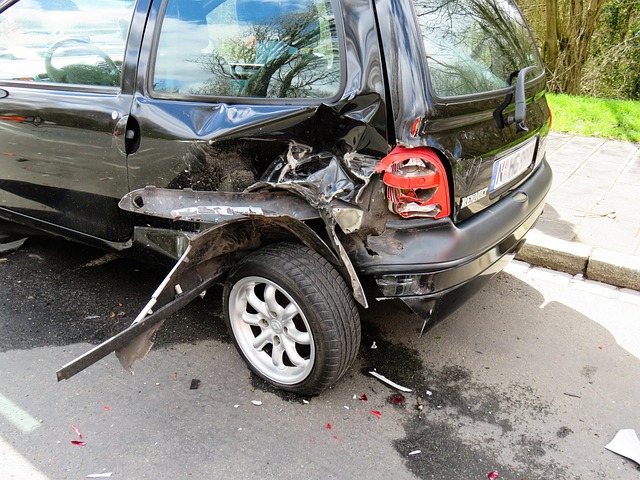
After a car accident in Albany, the immediate actions you take can significantly impact the outcome of your claim. Assessing the situation is crucial to ensure everyone’s safety and protect yourself legally. The first step is always to check for injuries—yours and others involved—and call emergency services if necessary. Once the immediate danger has passed, it’s time to begin documenting what happened. Take photos of vehicles involved, record license plate numbers, and gather contact details from other drivers and any witnesses present.
Accurately recording the details of the incident is paramount. Note the date, time, location, and a detailed description of what transpired. If possible, speak with witnesses who may have seen the accident unfold; their accounts can add valuable context to your report. In Albany, for instance, where traffic congestion isn’t uncommon, understanding the sequence of events can be key to proving liability. When filing a police report, provide all these details meticulously; it forms the basis of your insurance claim or potential legal action.
The car accident lawyers at O’Connell and Aronowitz (518-462-5601) emphasize the importance of this initial assessment and documentation. They have witnessed many cases where a thorough immediate response has led to more favorable outcomes for their clients. Additionally, it’s crucial to be aware of New York State’s no-fault insurance system. This means that in most cases, you’ll need to notify your insurance provider within a specific time frame, usually 24 to 48 hours after the accident. Contacting them promptly ensures that your rights are protected and that you’re able to access necessary coverage benefits, such as medical reimbursement or vehicle repair costs.
Contacting Law Enforcement: When and How to File in Albany

In Albany, contacting law enforcement to file a police report after a car accident is a crucial step that can significantly impact what happens next. The process involves several key considerations, especially when navigating the local legal and insurance systems. When involved in an accident, it’s imperative to remain calm and, if possible, move your vehicle to a safe location away from traffic. Contacting emergency services immediately— dialing 911—is often the first step, even for minor fender benders. This not only ensures prompt medical attention for any injured parties but also alerts local authorities who can manage the scene and document any damage or injuries.
O’Connell and Aronowitz, renowned legal experts in Albany, advise that filing a police report should follow immediately after calling emergency services. The responding officer will assess the situation, gather statements from involved parties, and create an official report detailing the incident. This report is invaluable for insurance claims later on. After ensuring everyone’s safety, it’s recommended to exchange information with other drivers involved— names, contact details, insurance policy numbers, vehicle registration, and driver’s license numbers. It’s also wise to take pictures of the damage from various angles as well as any visible injuries. Obtaining car repair estimates from local shops 1-3 times can help in preparing for potential insurance adjustments.
Remember that what to do after a car accident in Albany goes beyond filing a police report. Promptly reporting the incident to your insurance provider is equally important. Be prepared to provide them with the official police report, your account of events, and any supporting documentation like medical records or repair estimates. O’Connell and Aronowitz suggest staying organized and detailed throughout this process to ensure smoother interactions with both law enforcement and insurance companies.
Documenting Evidence: Important Steps Post-Accident

After a car accident in Albany, documenting evidence is a critical step to ensure you have a strong case when filing a police report or pursuing legal action through an Albany law firm like O’Connell and Aronowitz. The immediate aftermath of an accident can be chaotic, but taking certain actions and collecting specific information can significantly impact the outcome. One of the first steps following any collision is to call the police to ensure safety and document the incident officially.
When responding parties arrive, they will assess the scene and often initiate a detailed investigation. During this process, they will gather statements from involved drivers, witness accounts, and take measurements of damage. It’s crucial to cooperate with authorities but also to actively participate in documenting evidence yourself. Take photos of the accident site, clearly showing vehicle positions, visible damage, and any relevant markings on the road. Note down precise details about the other driver’s insurance information, license plate number, and personal details. Additionally, record your own policy information and vehicle specifications. These seemingly mundane steps are vital pieces of evidence that can help reconstruct the event when deciding liability.
Seeking a personal injury lawyer consultation from an Albany-based firm can offer valuable guidance on navigating these complexities. Legal professionals at O’Connell and Aronowitz understand the importance of thorough documentation and can assist in gathering additional evidence, such as medical records or expert witness statements, to strengthen your claim. Remember that what you do (or don’t do) immediately after a car accident in Albany can significantly influence the outcome of any legal proceedings. Therefore, prioritize documenting evidence to protect your rights and ensure justice is served.
Understanding Your Rights and Next Actions

Understanding your rights and next actions after a car accident is crucial, especially when navigating what to do after a minor crash in Albany. In such situations, it’s important to remember that you have legal protections and options available to protect your interests. One of the primary steps to take is to ensure everyone involved is safe before addressing any other concerns. If possible, move vehicles off the road or to a safe location, and check for injuries.
Following this initial assessment, document the incident thoroughly. Collect information from the other driver(s) including their name, contact details, insurance information, and vehicle registration. Note down the date, time, and precise location of the accident. Take photos of the vehicles involved, any visible damage, and the surrounding area if relevant. These steps are vital in what to do after a car accident in Albany or any minor crash, as they help establish a clear sequence of events and can serve as evidence later.
If you’ve sustained injuries or significant property damage, it’s advisable to contact local law enforcement to file a report. In New York, the police report can be invaluable when making insurance claims or pursuing legal action if necessary. The report provides an official record of the incident, which can protect your rights. For minor accidents with minimal damage, filing a police report may not be mandatory, but it’s still recommended. Contacting O’Connell and Aronowitz at 518-462-5601 is a wise step to ensure you understand your legal rights after an accident, whether it’s a minor fender bender or a more severe collision.
Protecting your rights after an accident involves being proactive. Keep detailed records of all communications related to the incident and any follow-up conversations with insurance companies. Avoid signing any documents without first consulting with an attorney or insurance representative from O’Connell and Aronowitz, especially when dealing with what to do after a minor car crash. They can guide you through the process, ensuring your rights are respected throughout.
What to Do After a Car Accident in Albany is a comprehensive guide that equips individuals with essential knowledge and practical steps to navigate challenging situations. By following the outlined procedures, from assessing the immediate circumstances to understanding one’s rights, drivers can ensure their safety and protect themselves legally. Documenting evidence, contacting law enforcement when necessary, and knowing the specific process for filing a report in Albany are crucial components of this process. This article empowers readers with the tools to confidently manage post-accident scenarios, offering clear direction on what to do after a car accident in Albany, thereby fostering a safer and more informed driving environment.