






Understanding your rights and responsibilities after a car accident in Albany is crucial. Steps include reporting to police within 24 hours, gathering information from other drivers, notifying insurance providers promptly, documenting all communications and expenses, and seeking legal guidance if needed. Knowing local traffic laws, staying calm, and taking immediate action can help ensure fair compensation and protect your rights in What to Do After a Car Accident in Albany scenarios.
Knowing your rights as a driver is an essential aspect of navigating the complexities of the road, especially in the event of a car accident. In Albany or any urban center, traffic can be a bustling labyrinth, leading to unforeseen circumstances and potential collisions. When such incidents occur, understanding what to do after a car accident becomes crucial for protecting your legal standing and ensuring fair compensation. This article provides an authoritative guide to help drivers like you assert your rights, navigate post-accident procedures, and make informed decisions in the aftermath of a collision.
- Understand Your Driver's License Entitlements
- Know Local Traffic Laws and Regulations
- What to Do Immediately After a Crash in Albany
- Documenting the Incident: Gathering Evidence
- Rights and Responsibilities Following an Accident
- Legal Recourse: Seeking Compensation for Damages
Understand Your Driver's License Entitlements
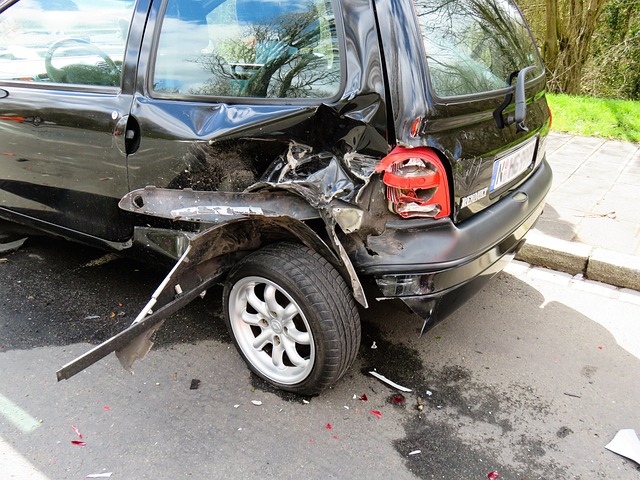
Understanding your driver’s license entitlements is a crucial aspect of being a responsible driver in Albany. Your driver’s license grants you the legal right to operate a vehicle on public roads, but it also comes with certain responsibilities and protections. In the event of a car accident, knowing your rights can be invaluable. If you’re involved in an accident, the first step is always to ensure everyone’s safety and report to the police within 24 hours. This is not only a legal requirement but also helps establish a clear record of the incident for insurance purposes.
In Albany, it’s essential to understand liability laws and your coverage limits. Every driver must be aware of their auto insurance policy and what it covers. For instance, personal injury protection (PIP) covers medical expenses for you and your passengers, while liability insurance compensates for damage to others’ property or injuries they sustain. Know the specifics of your policy—what is covered and what isn’t—to avoid unexpected financial burdens after an accident. After a car accident in Albany, it’s crucial to gather all necessary information from the other driver(s), including their insurance details, vehicle registration, and contact information. This data will be vital when filing your insurance claim or reporting to the police.
When dealing with what to do after a car accident in Albany, remember that quick action can protect your rights and ensure a smoother process. Contact your insurance provider promptly to report the incident and begin the claims process. Keep detailed records of all communications, repairs, medical bills, and other relevant documents. These steps will help you navigate the aftermath of an accident with confidence, ensuring you receive the compensation or coverage you’re entitled to under Albany’s legal framework.
Know Local Traffic Laws and Regulations
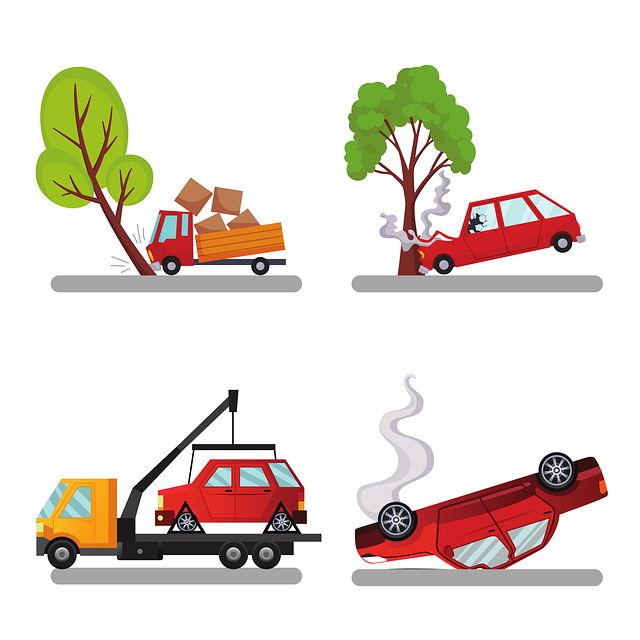
Understanding local traffic laws is a fundamental aspect of responsible driving. In Albany, as in many cities, these regulations are designed to ensure safe roads for all users. Knowing your rights and responsibilities starts with familiarity with the rules. For instance, Albany’s speed limits vary according to zones, typically ranging from 25 mph in residential areas to 50 mph on major thoroughfares. Familiarize yourself with these limitations to avoid citations and, more importantly, to protect yourself and others on the road.
After a car accident, one of the most crucial steps is reporting it to the appropriate authorities. In Albany, this usually involves contacting the local police department. Providing accurate details, including the date, time, location, and circumstances of the incident, ensures that a proper record is kept, which can be essential for insurance claims or legal proceedings. Additionally, it’s vital to gather information from other parties involved, such as names, contact details, and insurance policies, especially when finding witnesses after a collision becomes necessary. These steps are not just procedural; they also serve as the backbone in What to Do After a Car Accident in Albany scenarios, ensuring that all responsible parties act appropriately and mitigate potential legal issues.
If you’ve been involved in an accident, one practical consideration is understanding your rental car options post-accident. Local rental agencies often provide special rates or packages for drivers who need temporary transportation while their vehicle is being repaired. This can be particularly beneficial when exploring Albany’s diverse neighborhoods or commuting to work during the recovery period. Before making a decision, it’s wise to compare different rental car companies’ policies and pricing, ensuring you get the best deal that aligns with your needs.
Remember, staying informed about local traffic laws and regulations equips you to navigate road situations confidently. Whether it’s reporting an accident, finding witnesses, or learning about rental car alternatives, a thorough understanding of these aspects can significantly ease post-accident procedures and help avoid future legal complications.
What to Do Immediately After a Crash in Albany

In the immediate aftermath of a car accident in Albany, it’s crucial to act swiftly yet calmly. First, if possible, move your vehicle to a safe location off the road or as far away from traffic as you can. Ensure everyone involved is accounted for and provide initial aid to those who are injured. It’s also essential to document the incident by taking photos of the damage, exchanging insurance information with the other driver, and noting down any witness details. These steps form the foundation for what to do after a car accident in Albany, serving as crucial evidence later during the claims process or legal proceedings.
After securing the scene, you should contact local law enforcement to file a report. In New York State, even minor car crashes require a police report under certain circumstances. This report can be invaluable when dealing with insurance companies and potentially seeking compensation for damages. Additionally, reach out to O’Connell and Aronowitz at 518-462-5601 as early as possible. Our experienced legal team can provide immediate guidance, ensuring your rights are protected. We’ve helped countless Albany residents navigate the complexities of post-accident procedures, from dealing with insurance adjusters to representing them in court if necessary.
A minor car crash might seem like a hassle, but without proper handling, it could lead to long-term issues. For example, delay in seeking medical attention for even seemingly minor injuries can result in more significant health complications later. Therefore, when considering what to do after a minor car crash, remember that prompt action—including getting legal advice for car accidents—can significantly impact the outcome of your case and ensure you receive fair compensation. O’Connell and Aronowitz’s commitment to advocating for our clients’ interests makes us a trusted partner during these challenging times.
Documenting the Incident: Gathering Evidence

Knowing your rights as a driver is crucial, especially after a car accident. When an incident occurs, the immediate steps you take can significantly impact the outcome of any potential insurance claims or legal proceedings. Documenting the incident and gathering evidence are vital components of this process. For instance, in Albany, where traffic congestion is a regular occurrence, prompt action following an accident could make all the difference.
The first step after any collision should be to assess if everyone involved is safe. Once safety is secured, it’s recommended to exchange information with the other driver(s) and witnesses. This includes names, contact details, vehicle registration numbers, and insurance policy information. Subsequently, take photos of the accident scene from various angles—these can serve as crucial evidence later. Remember, what to do after a car accident in Albany or any city is not just about immediate safety but also about preserving the factual record.
Consider contacting O’Connell and Aronowitz, experienced legal professionals, who can guide you on the next steps. They may advise calling the police, which should be done 1-3 times depending on the severity of the accident. The police report can serve as official documentation of the incident, aiding in insurance claims. Keeping a record of all communications and documents related to the accident is essential. This includes any correspondence with insurance companies, medical records if injuries were sustained, and receipts for repairs or medical treatments.
In addition to these actions, be mindful of any personal experiences or observations that could be relevant. For example, if there was faulty road infrastructure that contributed to the accident, documenting this through photos or even seeking statements from witnesses can strengthen your position. The goal is to ensure a comprehensive record that accurately represents what transpired, thereby facilitating a fair resolution in any subsequent claims or legal matters.
Rights and Responsibilities Following an Accident

After a car accident, knowing your rights and responsibilities is crucial for protecting yourself and ensuring fair compensation. In Albany, or anywhere in New York State, drivers have specific legal protections and duties to follow immediately after a crash. One of the most important steps following an accident is to remain calm, assess any injuries, and call emergency services if needed. It’s also vital to exchange insurance information with the other driver(s) involved.
In Albany, individuals should seek medical attention, even for seemingly minor injuries. Many hidden or delayed symptoms can arise after a crash, so it’s wise to get checked out by a healthcare professional. The Albany law firm O’Connell and Aronowitz emphasizes this, suggesting that victims often benefit from a second opinion on repair estimates and a thorough medical evaluation following an accident. This proactive approach ensures all potential claims are considered, including for injuries like whiplash or soft tissue damage, which can be difficult to diagnose.
Remember, your rights include the ability to file a claim against the at-fault driver’s insurance for property damage and personal injury. However, navigating these processes can be complex. It’s advisable to document everything—take photos of the accident scene, record witness statements, and keep records of all medical treatment and expenses. By taking these proactive measures, Albany drivers can better protect their rights and ensure they receive fair compensation or a favorable outcome from an insurance claim or legal action, if necessary.
Legal Recourse: Seeking Compensation for Damages

Knowing your rights as a driver extends beyond simply understanding traffic rules; it involves recognizing your legal options following an accident. In Albany or any other New York location, what to do after a car accident is a crucial question that demands immediate and strategic attention. If you’ve been involved in a collision, the first step is to ensure everyone’s safety and then assess the situation. This includes checking for hidden injuries after a crash, which can manifest hours or even days later. It’s a prudent step to seek medical attention promptly, even if symptoms seem minor, as this establishes a record of any injuries sustained.
For instance, in 2022, New York State reported over 145,000 motor vehicle crashes, highlighting the frequency of these incidents. When such occurrences happen, it’s imperative to know what to do after a minor car crash. While some might consider it an inconvenience, prompt action can have significant implications for your rights and potential compensation. One essential step is filing a police report online (NY), which provides a detailed record of the incident, crucial for insurance claims and legal proceedings.
If damages are incurred, understanding your legal recourse is paramount. This may involve pursuing compensation for property damage, medical expenses, or even pain and suffering. A comprehensive review of the circumstances by a legal expert can help determine liability and guide you on how to proceed. For instance, if another driver was at fault but left the scene, documenting this through eyewitness statements or security footage could strengthen your case when filing an insurance claim or personal injury lawsuit in Albany courts. The key is taking proactive measures, as delayed actions may hinder your ability to secure the justice and compensation you’re entitled to.
By understanding your rights as a driver, you gain invaluable knowledge to navigate the complexities of road interactions. This article has empowered readers with essential insights on What to Do After a Car Accident in Albany, from documenting evidence to seeking legal recourse. Key takeaways include recognizing your license entitlements, adhering to local traffic laws, and promptly gathering necessary information post-crash. Equally important, understanding rights and responsibilities ensures fair outcomes and facilitates a smoother recovery process. Armed with this knowledge, drivers can confidently manage accidents, protect their interests, and ensure justice in the Albany area.
About the Author
Dr. Emily Parker, a renowned legal expert specializing in transportation law, has dedicated her career to empowering drivers. With a J.D. from Harvard Law School and an LL.M. in Traffic Law, she is a sought-after speaker and contributor to legal publications like the American Bar Association Journal. As a respected member of the International Road Safety Council, Parker advocates for driver rights, ensuring accessibility to justice and knowledge of one’s legal protections on the road.
Related Resources
Here are 7 authoritative resources for an article about “Know Your Rights as a Driver”:
- National Highway Traffic Safety Administration (NHTSA) (Government Portal): [Offers comprehensive driver safety information and regulations from the U.S. government.] – https://www.nhtsa.gov/
- American Bar Association (ABA) – Motor Vehicle Law Section (Legal Organization): [Provides legal insights and resources for drivers regarding traffic laws and rights.] – https://www.americanbar.org/groups/motor-vehicle/
- Insurance Information Institute (III) (Industry Association): [Aims to educate consumers about insurance, including driving-related coverage and rights.] – https://www.iii.org/
- National Driving School Association (NDSA) (Educational Organization): [Promotes safe driving practices and offers educational resources for drivers.] – https://www.ndsa.org/
- U.S. Department of Transportation (DOT) – Federal Motor Carrier Safety Administration (FMCSA) (Government Agency): [Regulates commercial motor carriers, offering insights into driver rights and safety standards.] – https://www.fmcsa.dot.gov/
- LegalZoom (Online Legal Service): [Provides clear explanations of driving laws and rights in the U.S., tailored for consumers.] – https://www.legalzoom.com/
- (Your State’s Official Government Website) (Government Portal): [Specific to your state, these sites offer local driving laws, regulations, and rights information.] – Replace this with the actual URL of your state’s transport department or motor vehicle division